AI Can't Cite What It Can't Read
We fix your site, then publish and refresh the content that gets you cited, powered by our own engine, Iris.
Ranked Isn't The Same As Cited
People are increasingly asking AI models questions instead of searching Google. When they do, the model either quotes your business or it doesn't; there's no page two. That goes double for buyer-intent searches, where the answer shapes who gets the call. Being citable requires things most sites simply don't have.
Direct-Answer Content
Paragraphs structured so a model can extract a clean answer, not buried inside marketing prose.
Question-Phrased Headings
Real FAQ data that mirrors how people actually ask, not decorative subheads.
Explicit Crawler Access
AI bots need their own permissions, separate from normal search crawlers, or they never see the page at all.
Freshness Signals
AI engines weight recently published and recently updated content more heavily than static SEO ever did.

Seen By The Algorithms That Matter
Iris is our in-house content engine. It writes, checks, publishes and refreshes the pages AI assistants quote.

Written To Be Quoted
Every page opens with a direct answer and uses the questions your customers actually ask.
Checked Before It Ships
Drafts that miss our quality bar are rejected automatically, so nothing weak goes live.
Published Naturally
Releases are paced over weeks instead of dumped all at once.
Kept Current
Pages are refreshed regularly, with version history and rollback.
Built on real research. Iris encodes what we learned running GEO on live client sites.
What Happened When We Did This
We ran this process on a live client site, a small insurance brokerage. This is Google Search Console's own report for how often a site shows up inside AI-generated answers, straight from their account, before and after.
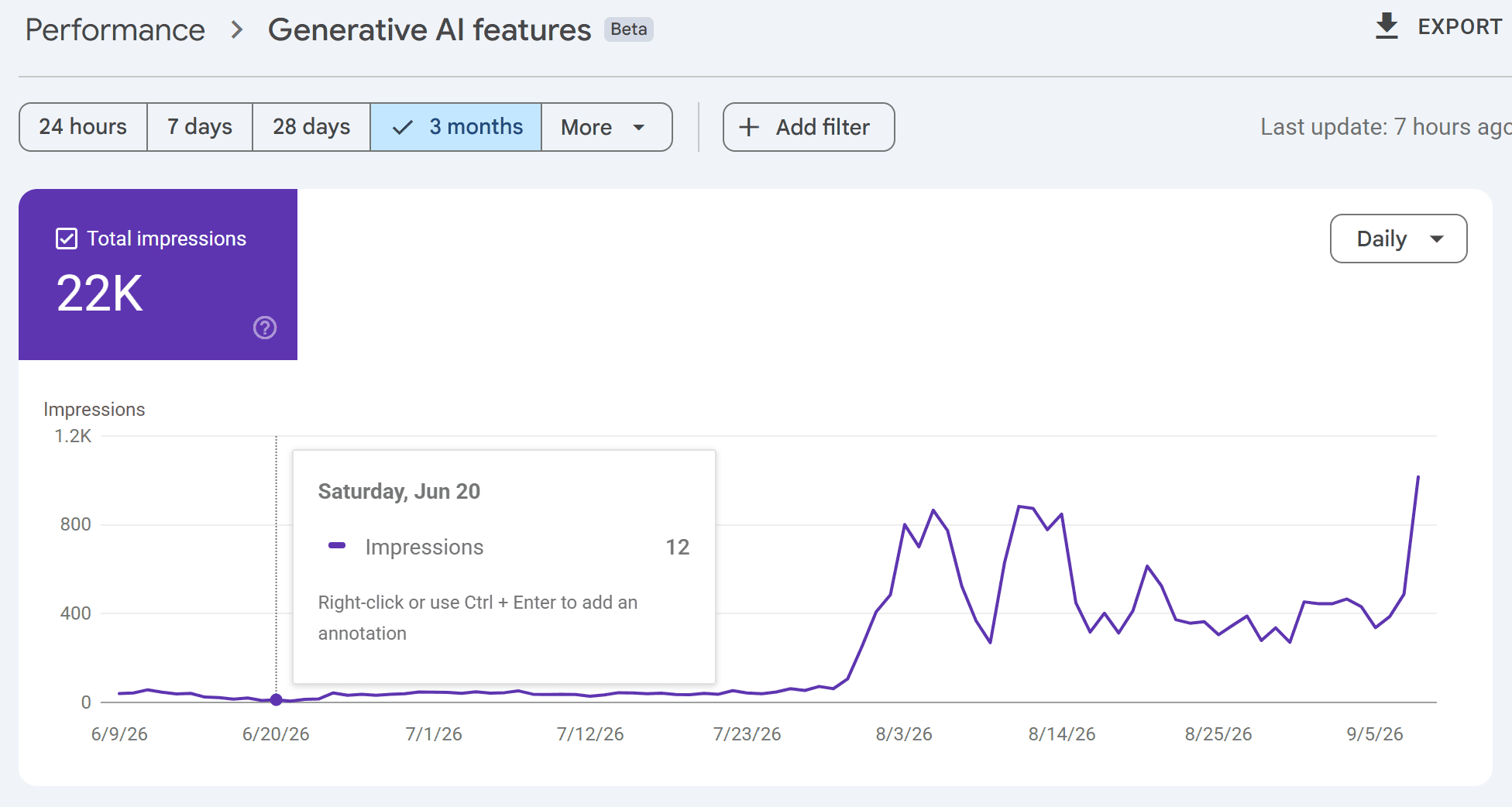
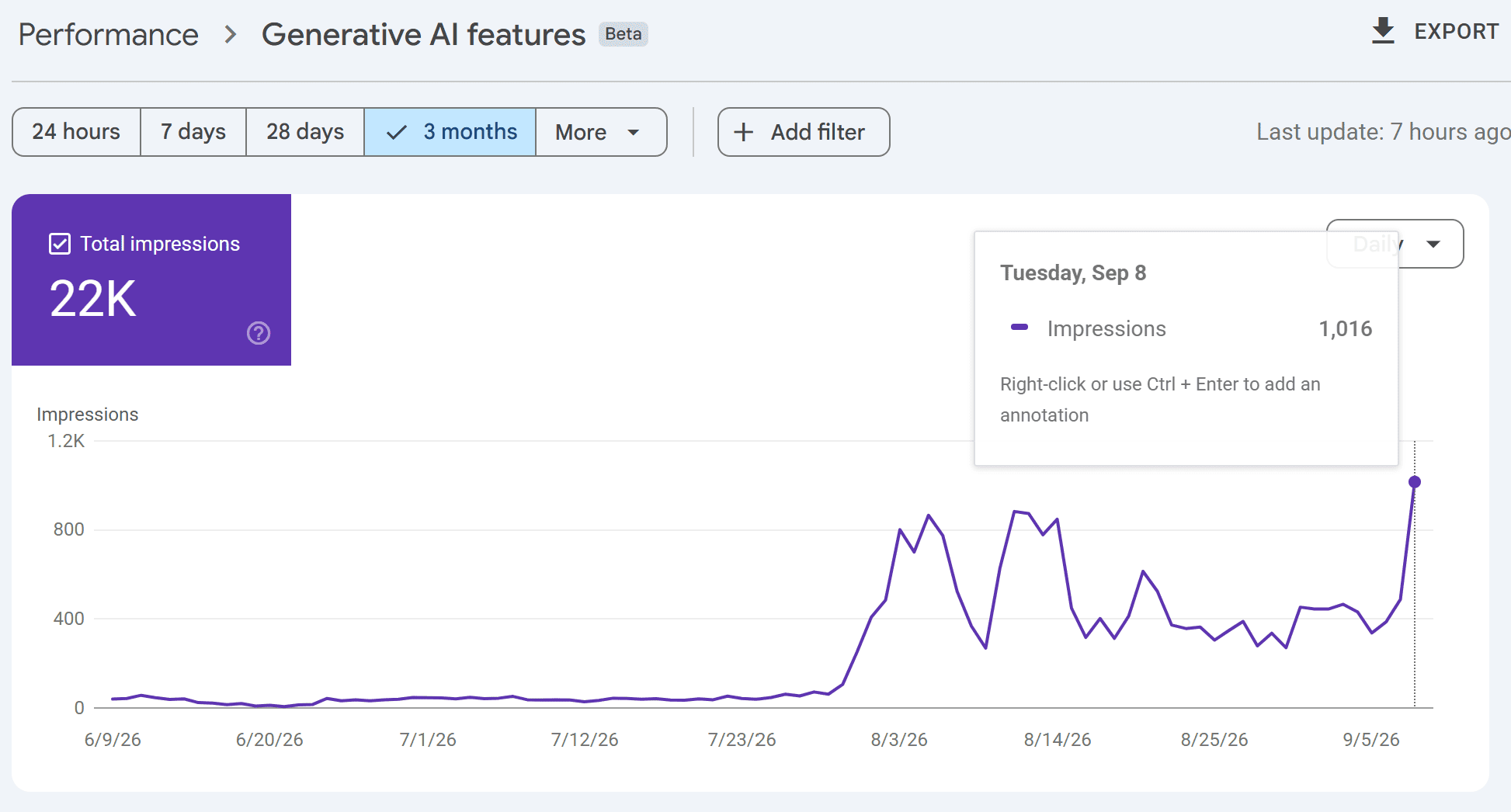
We're not going to tell you that's guaranteed or typical. AI visibility is genuinely volatile day to day, and this is one case study, not a statistical promise. What we can tell you is that the jump lines up exactly with when the work went live, and it's held. That's the pattern we're building toward on every site we take on.
 A Second Case: NeoGlint
A Brand New Product, Found By AI In Weeks
NeoGlint is a completely new product. We introduced it to the web with no marketing and no backlinks, with Iris publishing its content and nothing else. Within a few weeks it was appearing in AI Overviews.
Visit neoglint.app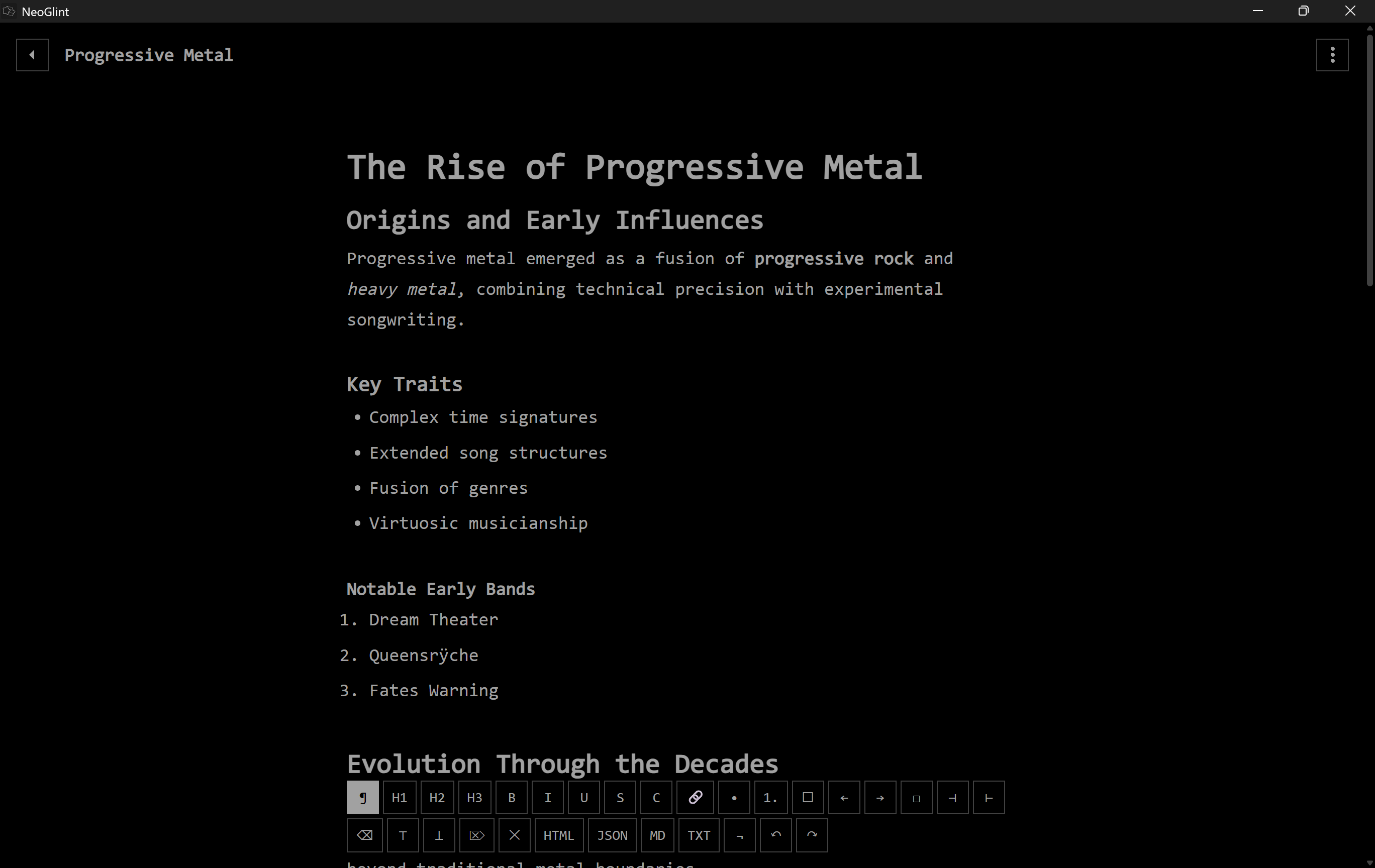
The Audit Tells Us What's Broken
This is what we fix, build, and keep running after that, in order.
GEO Audit
A full check of whether your site can even be seen and understood by AI crawlers today.
Technical Fixes
AI-bot crawler permissions, page speed issues that affect crawl budget, schema and structured data, meta description discipline.
Content Architecture Rebuild
Direct-answer formatting, question-phrased headings, real FAQ data instead of decoration. If you don't have content yet, we write it.
Ongoing Citation Tracking
Scheduled checks across ChatGPT, Perplexity, Gemini, and Grok, with trend history.
Topic Targeting
We focus on the low-competition, high-intent searches that lead to real enquiries.
Buyer-Intent Landing Pages
Short, focused pages for people who are ready to choose a provider.
Scheduled Content Refresh
Iris refreshes your content on a cadence, with version history, rollback and pre-publish preview.
Built For Businesses That Publish, Or Don't
Service businesses that care about being found by AI: professional services, insurance, healthcare-adjacent, local and regional B2B. Whether you've been publishing content for years or have none at all, it doesn't matter: if you already publish, we restructure and maintain it; if you don't, we write and publish it for you as part of the engagement.
Also built to be resold or white-labeled by agencies already handling marketing for these businesses. Multi-site and agency friendly: one Iris system can run content for many client sites, each kept separate.
Looking For A New Website?
We design and build custom websites in California. Pick the page that matches where you are.
Replacing an old site?
See before and after redesigns, and how a dated site becomes one that brings in inquiries.
See our website redesign servicesStarting or growing a business?
A custom site that explains what you do and makes it easy for customers to contact you.
See our web design for small businesses
What Is Your Site Hiding From AI?
The same audit that took one site from near-zero AI visibility to a sustained jump in weeks, run on yours. Includes a look at how Iris would publish for you.